MCC clarifies Law relating to breaking the wicket for a run out
Read story
Make the most of your visit to the Home of Cricket. Whether you’re joining us for a match, a tour, or an event, you’ll find essential information on travel, facilities, and experiences right here.
Scan the QR codes around the Ground and follow our Heritage Trail to learn more about Lord's. Plan your visit below.
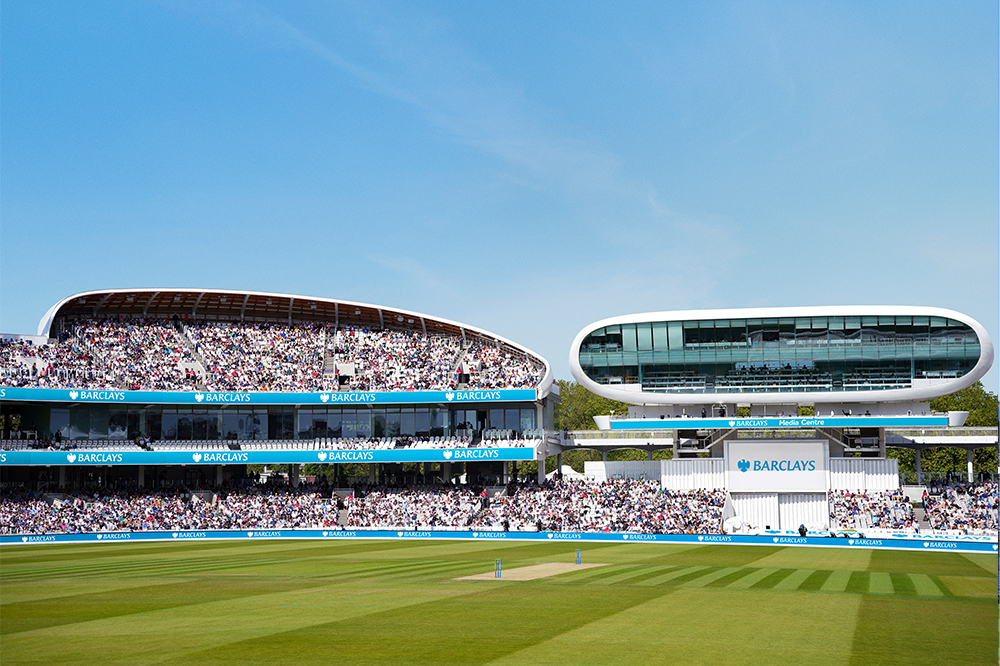
We’ve got a wide variety of formats covered with an exciting line up of matches to get your cricket fix.
Whether you like red or white ball, domestic or international, or men’s or women’s cricket, Lord’s will have the perfect cricket experience for you, your family and friends.
There's Nothing Like This
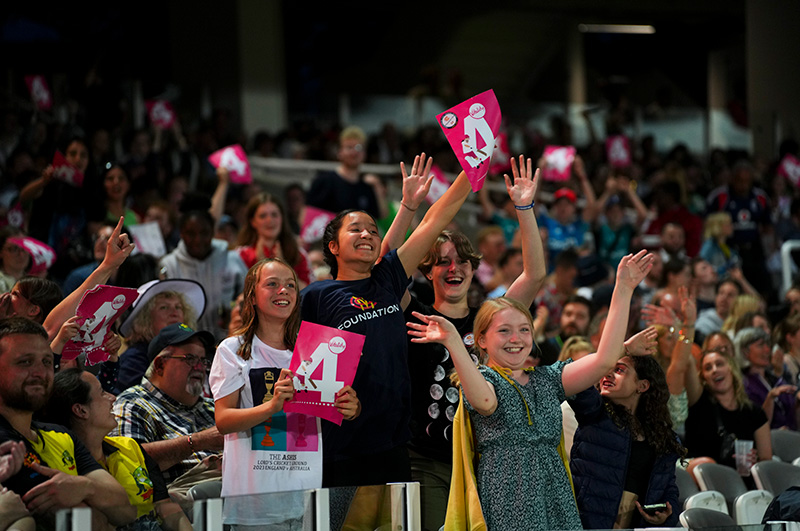
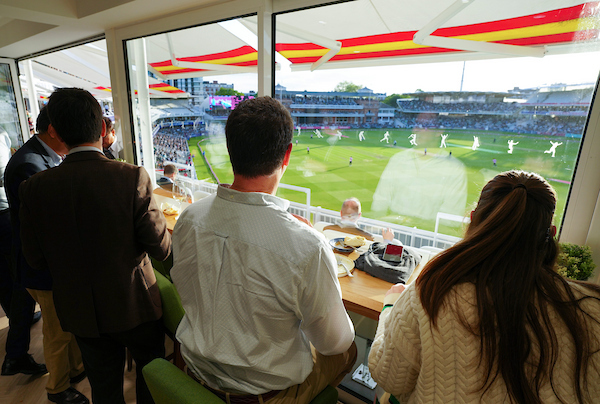
Take your Lord’s experience to new levels with our collection of premium hospitality experiences. From world-class matchday dining to exclusive behind-the-scenes access and private events, experience the heritage and atmosphere of the Home of Cricket in the ultimate style.
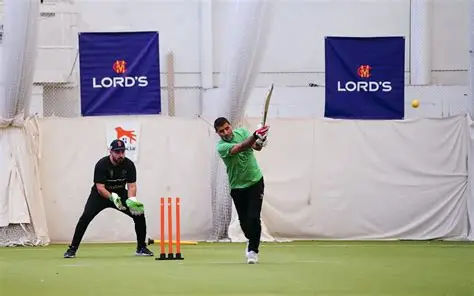
Train, play and refuel at the Vitality Performance Centre - home to indoor cricket coaching, personal training, group classes, HOAM café and our specialist cricket shop.
Marylebone Cricket Club is the world’s most active cricket club, the owner of Lord’s Ground and the guardian of the Laws of the game. Find out more about the history of MCC, our work in the Community and the famous Lord's Museum.
FIND OUT MORE

Posted: 22 August 2025
Neil is one of the world’s leading experts in cricket history, heritage and curation. He has worked at the Club for almost two decades and in that time has been instrumental in preserving, interpreting, and promoting the rich history of cricket.
Under Neil’s leadership, the MCC Museum’s collections have grown significantly, and he now oversees one of the world’s greatest collections of sporting artefacts, memorabilia, journals and books. He has helped guide the club into the modern era, devising the Museum’s first Digital Strategy, and initiating the proposal for the new Heyhoe Flint Gate at Lord’s in 2022.
Neil’s work is distinguished by his commitment to making cricket’s history relevant and engaging to contemporary fans. He has curated acclaimed exhibitions that explore cricket’s intersections with empire, gender, race, and society – most notably the recent No Foreign Field: MCC and the Empire of Cricket exhibition, which tells the story of cricket’s global development from the mid-nineteenth century to the present day.
In addition to his curatorial work, Neil is a respected author and speaker. He has published widely and is the author of Long Shot Summer (2015), which documents the chaos of the 1988 “summer of four captains”.
Cricket Society Chair Peter Hardy said: “I’m delighted that The Cricket Society and the British Society for Sports History are recognising Neil Robinson in this way. His long track record as a cricket historian, archivist and curator is immensely impressive and makes him the worthy winner of the Howard Milton award for 2025.’
Commenting on the Award, Neil Robinson said: “I’m thrilled and honoured to receive this award. Much of my work at Lord’s has been about building partnerships, so in accepting it I must also thank the many colleagues at MCC and beyond who have brought ideas and energy to so many worthwhile projects.”
The award was announced during the annual conference of the British Society of Sports History (BSSH), which is being held at the University of Ulster from 20 to 22 August. The award will be presented to Neil in person at a special event at Lord’s on 6 October.
The Howard Milton Award, a collaboration between The Cricket Society and the British Society of Sports History, is awarded annually to a person or persons who have made an outstanding and/or unsung contribution to cricket scholarship. The award seeks to recognise good cricket writing and research whether of an ‘academic’ or ‘popular’ nature. Winners are decided on the recommendations of a panel drawn from officers of both organisations.
It is named after Howard Milton, the eminent cricket historian and statistician and Honorary Librarian at The Cricket Society for over 40 years. Previous winners include the Association of Cricket Statisticians & Historians, the Sussex Cricket Museum, John Goulstone, and Ramachandra Guha.