MCC launch 2025 Community Cricket Heroes campaign
read story
Make the most of your visit to the Home of Cricket. Whether you’re joining us for a match, a tour, or an event, you’ll find essential information on travel, facilities, and experiences right here.
Scan the QR codes around the Ground and follow our Heritage Trail to learn more about Lord's. Plan your visit below.
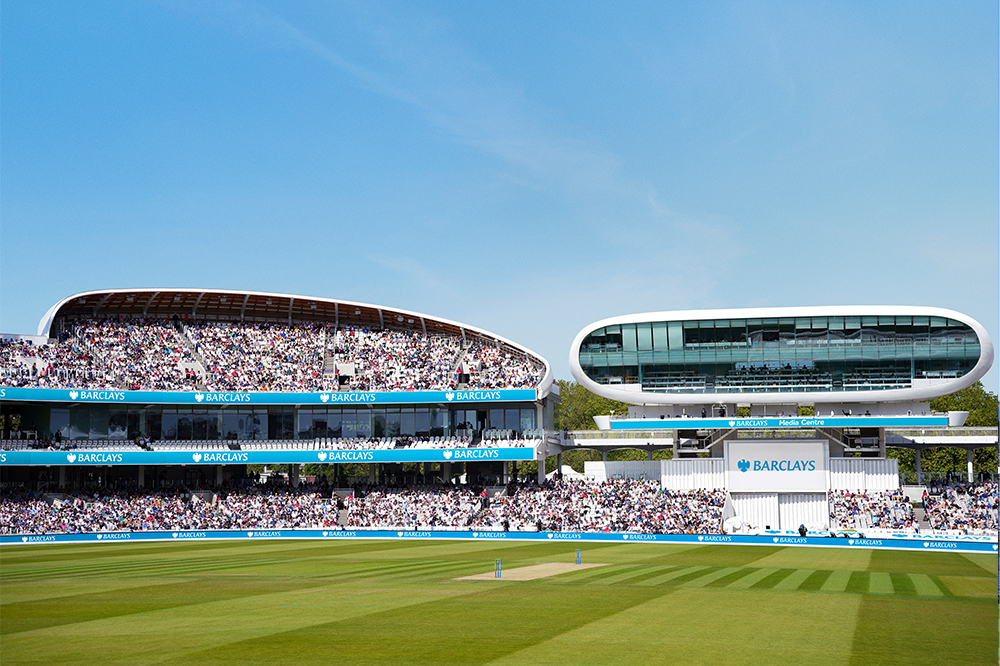
We’ve got a wide variety of formats covered with an exciting line up of matches to get your cricket fix.
Whether you like red or white ball, domestic or international, or men’s or women’s cricket, Lord’s will have the perfect cricket experience for you, your family and friends.
There's Nothing Like This
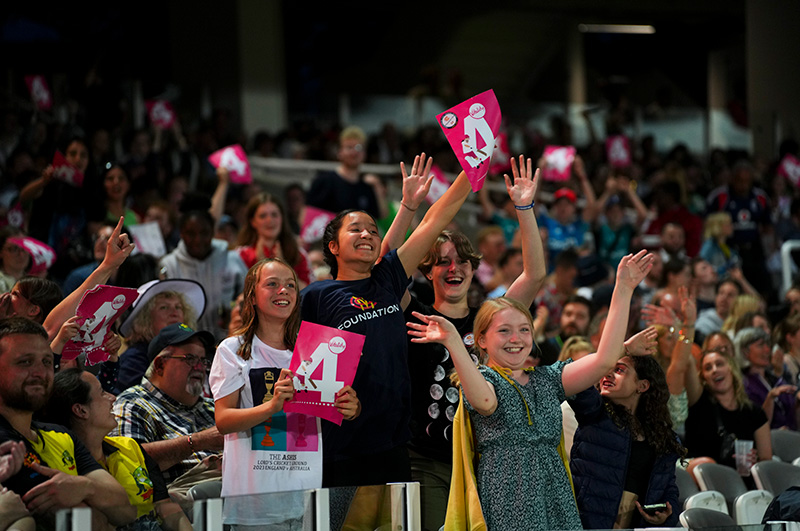
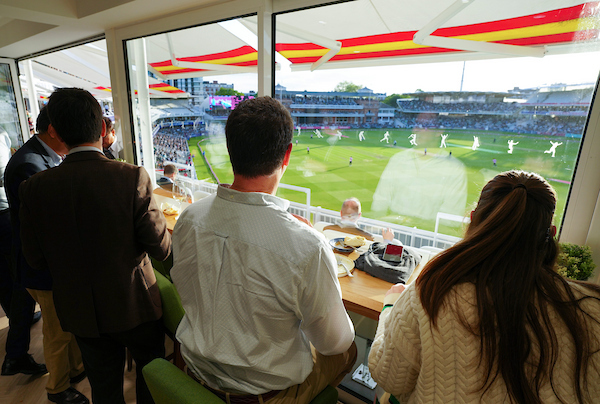
Take your Lord’s experience to new levels with our collection of premium hospitality experiences. From world-class matchday dining to exclusive behind-the-scenes access and private events, experience the heritage and atmosphere of the Home of Cricket in the ultimate style.
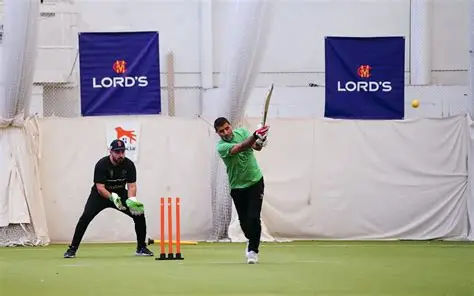
Train, play and refuel at the Vitality Performance Centre - home to indoor cricket coaching, personal training, group classes, HOAM café and our specialist cricket shop.
Marylebone Cricket Club is the world’s most active cricket club, the owner of Lord’s Ground and the guardian of the Laws of the game. Find out more about the history of MCC, our work in the Community and the famous Lord's Museum.
FIND OUT MORE

Posted: 6 September 2024
During Scotland’s T20 international against Australia on Thursday there was an incident that caused a large amount of interest, and confusion, online.
Scotland bowler Mark Watt delivered the ball from well behind the stumps, to Australia batter Josh Inglis. Inglis backed away from the delivery, claiming he wasn’t ready, and the ball went on to hit the top of the stumps. The umpire called and signalled Dead ball, and the ball was re-bowled.
So, did the umpire get it right?
The first thing to look at here is the Law itself. Law 20.4.2.5 states:
“Either umpire shall call and signal Dead ball when the striker is not ready for the delivery of the ball and, if the ball is delivered, makes no attempt to play it. Provided the umpire is satisfied that the striker had adequate reason for not being ready, the ball shall not count as one of the over.”
The first half of that clause is clear – if the striker decides that he/she is not ready for a delivery, steps back, and makes no attempt to play the ball, the umpire shall call and signal Dead ball. The umpire was entirely correct to do so in this situation, and Inglis was rightly not given out.
The next question is whether the ball should count. Here the umpire has to decide whether the striker had adequate reason for not being ready.
As these still images show, as Watt goes into his ‘gather’, Inglis is looking down at his feet – presumably expecting the bowler to bowl from a ‘normal’ position, near the popping crease. Instead Watt enters his delivery stride next to the umpire.
By the time the bowler’s back foot lands, Inglis has looked up, but is clearly not expecting the delivery. He has made a significant move away from the wicket before the ball is halfway down the pitch.
With those facts in mind, it seems reasonable that Inglis had good reason to not be ready – he was not anticipating a delivery from next to the umpire. While such a delivery is perfectly allowed in Law, if the striker is not expecting it, they have the right to withdraw.
However, the umpire could, after this, mention to the batter that, in future, he should be expecting such a delivery – a second, similar delivery to the same batter could easily be treated differently. In that case, the striker would still not be out Bowled – the Law is clear that the striker has the right to step away from the ball – but the ball would not be bowled again, and it would be recorded as a dot ball. Furthermore, if the umpires felt that a batter was deliberately refusing to be ready, as an attempt to gain an advantage, they could turn to Law 41.10 (batter wasting time) which could lead to a 5-run Penalty, and a report to the Governing Body responsible for the match.