MCC clarifies Law relating to breaking the wicket for a run out
Read story
Make the most of your visit to the Home of Cricket. Whether you’re joining us for a match, a tour, or an event, you’ll find essential information on travel, facilities, and experiences right here.
Scan the QR codes around the Ground and follow our Heritage Trail to learn more about Lord's. Plan your visit below.

We’ve got a wide variety of formats covered with an exciting line up of matches to get your cricket fix.
Whether you like red or white ball, domestic or international, or men’s or women’s cricket, Lord’s will have the perfect cricket experience for you, your family and friends.
There's Nothing Like This
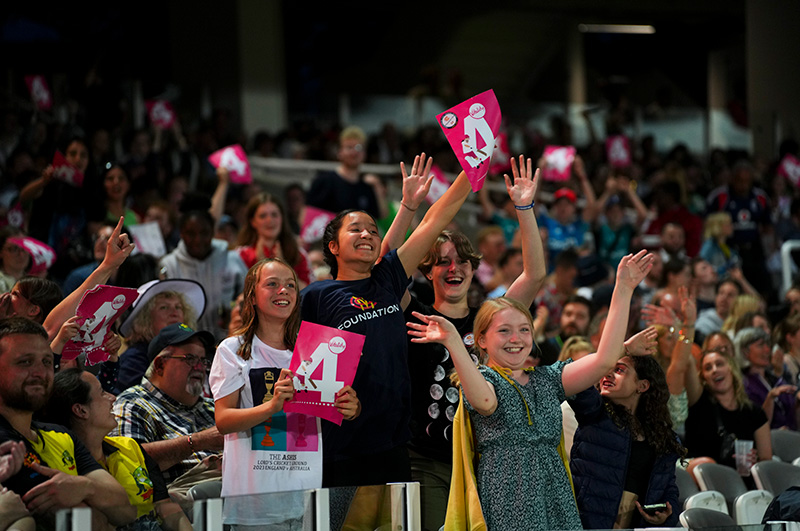
Take your Lord’s experience to new levels with our collection of premium hospitality experiences. From world-class matchday dining to exclusive behind-the-scenes access and private events, experience the heritage and atmosphere of the Home of Cricket in the ultimate style.
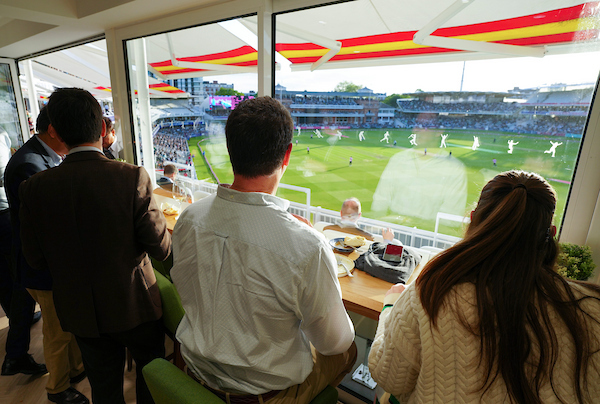
Train, play and refuel at the Vitality Performance Centre - home to indoor cricket coaching, personal training, group classes, HOAM café and our specialist cricket shop.
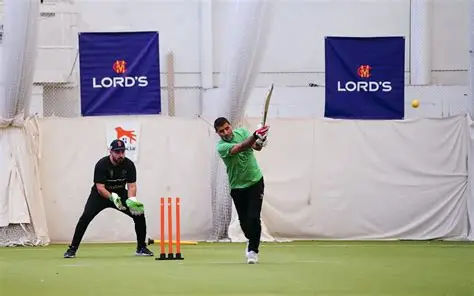
Marylebone Cricket Club is the world’s most active cricket club, the owner of Lord’s Ground and the guardian of the Laws of the game. Find out more about the history of MCC, our work in the Community and the famous Lord's Museum.
FIND OUT MORE

Posted: 14 August 2026
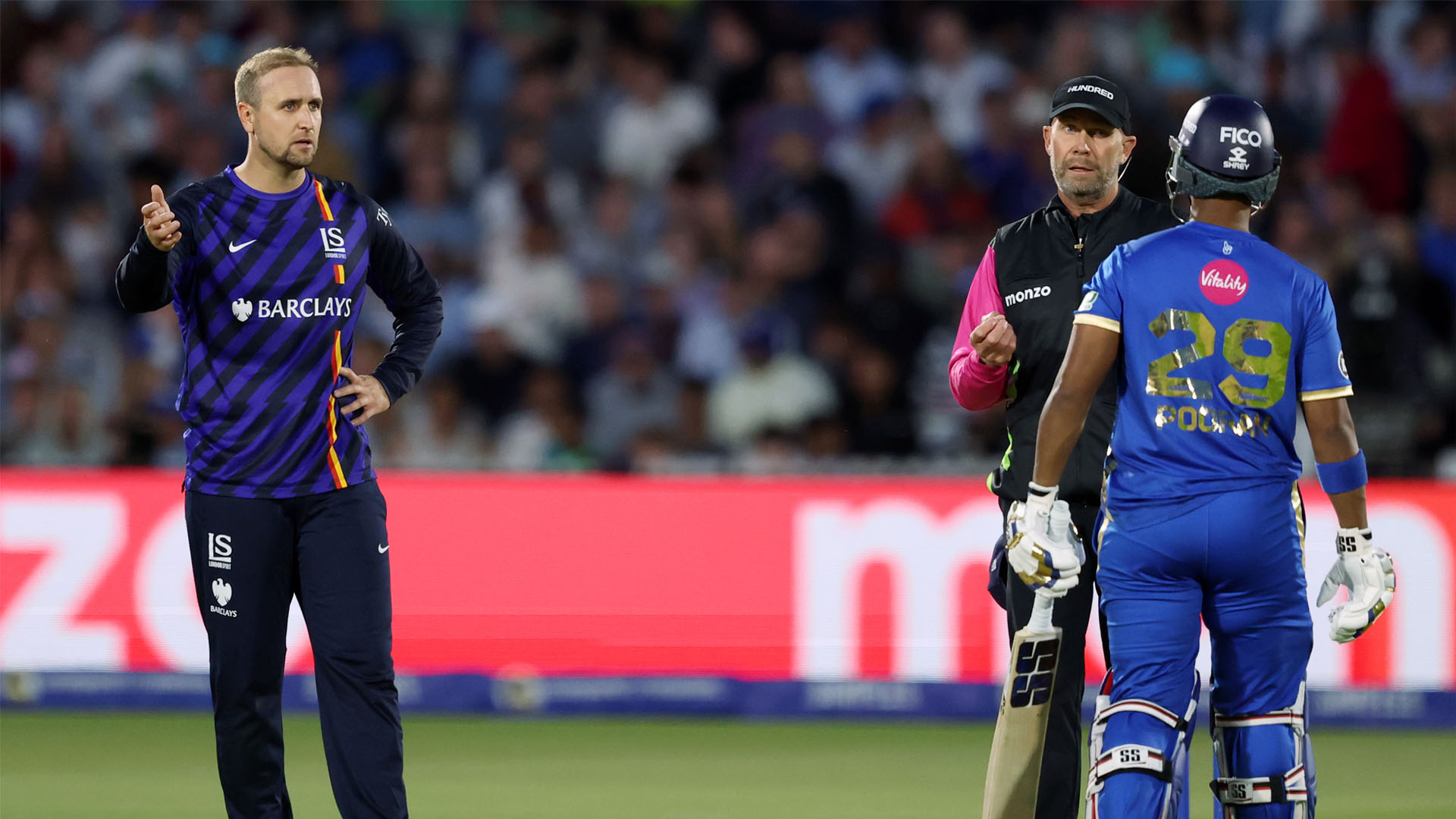
Firstly, in the men’s game between London Spirit and MI London, Spirit’s captain Liam Livingstone was bowling to Nicholas Pooran.
There had already been a bit of “cat and mouse” between them, with Livingstone not delivering the ball on two occasions when Pooran was ready (perhaps to see what the striker’s trigger movement was) and then Pooran indicating that he wasn’t ready during Livingstone’s run up, which was aborted. On the next attempted delivery, Pooran again felt that Livingstone was bowling before he was ready. This time, Livingstone delivered the ball and Pooran took his bat out of the way, allowing the ball to hit the wicket. The umpire, Mike Burns, called Dead ball, as Pooran had made no attempt to play at the ball.
 In a women’s game three days later, London Spirit’s Marizanne Kapp was batting against Birmingham Phoenix’s Linsey Smith.
Smith bowled the ball just as Kapp looked up. Kapp clearly wasn’t ready, but she half-heartedly waved her bat at the ball, which was just outside the off stump, making contact with it. It was clear that it was not a proper attempt to defend or score runs, but she had still played at the ball. The umpire, Mark Newell, stated that the ball should count as one of the over.
Law 20.4.2.5 states:
Either umpire shall call and signal Dead ball when the striker is not ready for the delivery of the ball and, if the ball is delivered, makes no attempt to play it. Provided the umpire is satisfied that the striker had adequate reason for not being ready, the ball shall not count as one of the over.
There are two parts to this Law to consider here – firstly whether there is an attempt to play the ball, and secondly whether there is justification in the batter not being ready.
The first part is simple in both of our examples. Pooran, perhaps knowing the Law, actively withdrew his bat from the line of the ball. Kapp, on the other hand, instinctively prodded at the ball and made contact with it. As soon as she attempted to hit the ball – and note the Law talks about “attempting” to play the ball rather than actually making contact with it – the ball would not be Dead and the ball will count in the over, as correctly identified by umpire Newell.
If no attempt is made to play the ball, the umpire must then decide whether there is adequate reason for the batter not being ready. Law 41.10.1 states: “It is unfair for a batter to waste time. In normal circumstances, the striker should always be ready to take strike when the bowler is ready to start his/her run-up.”
Despite this overriding principle, there are sometimes occasions when a batter justifiably will not be ready – the bowler may have shortened their normal run-up, or turned and immediately begun their run-up, rather than having a slight pause. It is for the umpire to gauge the particular circumstances and context before deciding if there is adequate reason for not being ready.
In the Pooran / Livingstone example, there was frustration on both sides and the natural rhythm of the over had been disrupted. Umpire Burns was correct in stating that the ball was Dead and should not count, and he would have been sensible to remind both players that the batter must not delay things and the bowler cannot overly rush things more than normal.
The key learning for any batter who is not ready is to ensure that they make no attempt to play the ball. By doing this, they cannot be dismissed and, as long as their reason for not being ready is justified, the ball will not count in the over.