MCC clarifies Law relating to breaking the wicket for a run out
Read story
Make the most of your visit to the Home of Cricket. Whether you’re joining us for a match, a tour, or an event, you’ll find essential information on travel, facilities, and experiences right here.
Scan the QR codes around the Ground and follow our Heritage Trail to learn more about Lord's. Plan your visit below.
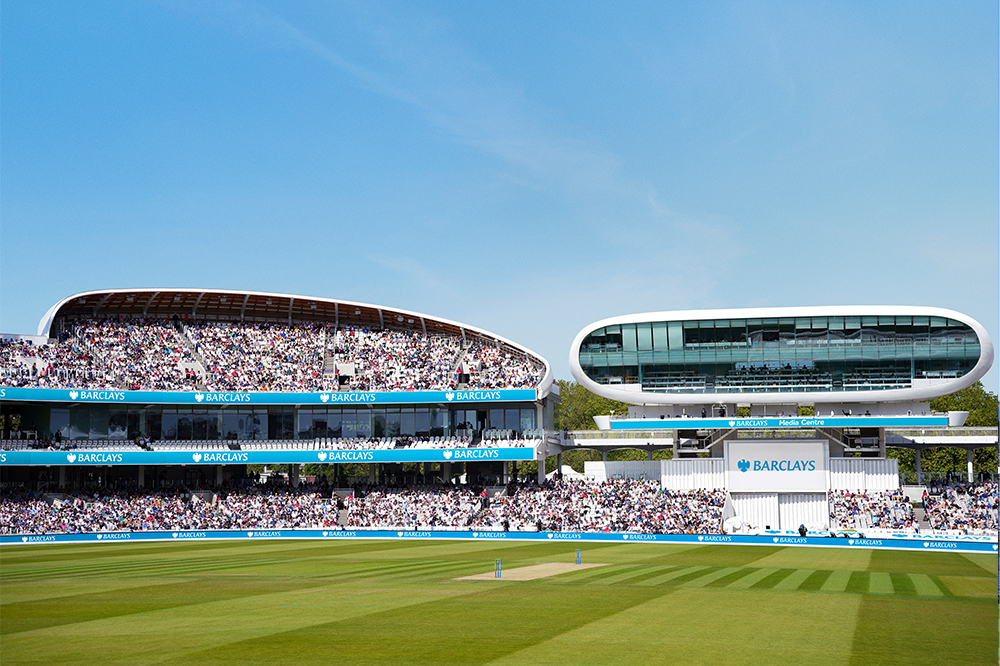
We’ve got a wide variety of formats covered with an exciting line up of matches to get your cricket fix.
Whether you like red or white ball, domestic or international, or men’s or women’s cricket, Lord’s will have the perfect cricket experience for you, your family and friends.
There's Nothing Like This
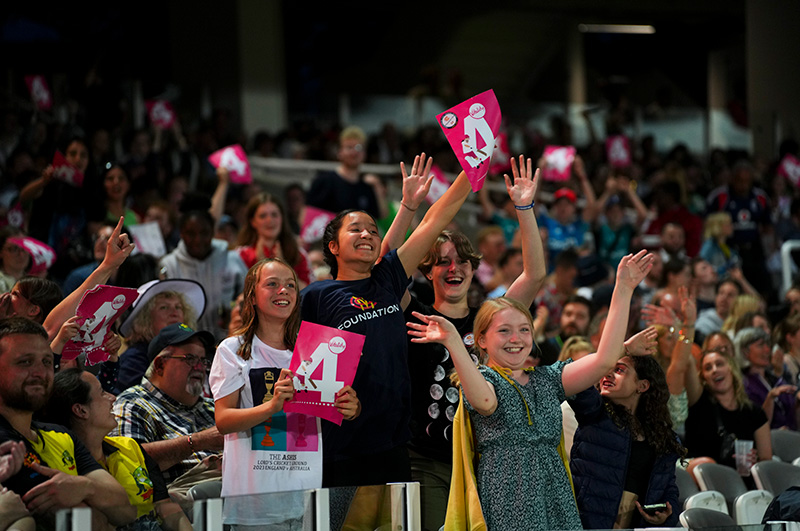
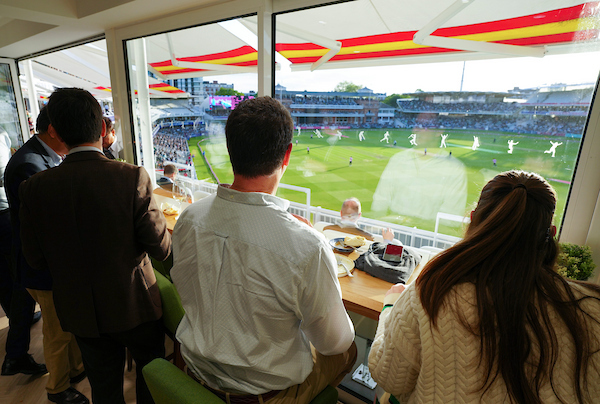
Take your Lord’s experience to new levels with our collection of premium hospitality experiences. From world-class matchday dining to exclusive behind-the-scenes access and private events, experience the heritage and atmosphere of the Home of Cricket in the ultimate style.
Train, play and refuel at the Vitality Performance Centre - home to indoor cricket coaching, personal training, group classes, HOAM café and our specialist cricket shop.
Marylebone Cricket Club is the world’s most active cricket club, the owner of Lord’s Ground and the guardian of the Laws of the game. Find out more about the history of MCC, our work in the Community and the famous Lord's Museum.
FIND OUT MORE

Posted: 11 February 2019
Batting fluently on 52, Stokes pulled a delivery from Alzarri Joseph back to the fast bowler, who held on to take a good catch.
Off walked Stokes, a half-century recorded but his innings, seemingly, at an end soon after.
However, soon after Stokes had begun to climb the steps to the pavilion, the umpires noted that Joseph’s delivery had been a No ball – Stokes should not have been out.
In years gone by – up until October 2017 – this would have been too late to save Stokes. He was already off the field of play, and the next batsman, Jonny Bairstow, had crossed the boundary rope in preparation to start his innings.
The Laws though were amended in 2017 to assist with situations like this.
The umpire has always been permitted to change his/her decision, provided this is done promptly (Law 2.12). Realising that the delivery was a No ball, the third umpire notified the on-field umpires, and a No ball was called.
That means that the batsman had left the wicket despite not having actually been given out, and thus the batsman is considered to have left the wicket under a misapprehension of being out.
The first part of the Law governing this event, Law 31.7, has changed very little in recent years. It states:
“An umpire shall intervene if satisfied that a batsman, not having been given out, has left the wicket under a misapprehension of being out. The umpire intervening shall call and signal Dead ball to prevent any further action by the fielding side and shall recall the batsman.”
However, in 2017 a second paragraph was added, and it is this which saved Stokes:
“A batsman may be recalled at any time up to the instant when the ball comes into play for the next delivery, unless it is the final wicket of the innings, in which case it should be up to the instant when the umpires leave the field.”
This change, introduced by MCC in 2017, allows the umpires (and players – it also applies, under Law 31.8, to a team withdrawing an appeal) the maximum possible time to come to the correct decision. It also ensures that an injustice is not carried out because of a technicality – as would have been the case in the past.
Stokes was called back, continued his innings and added another 27 runs.