-
Visit Lord's
- Matchday information
- Fixtures and results
- How to get here
- Tours and Museum
- Lord's Tavern
- HOAM Coffee Shop
- Contact us
Welcome to Lord's
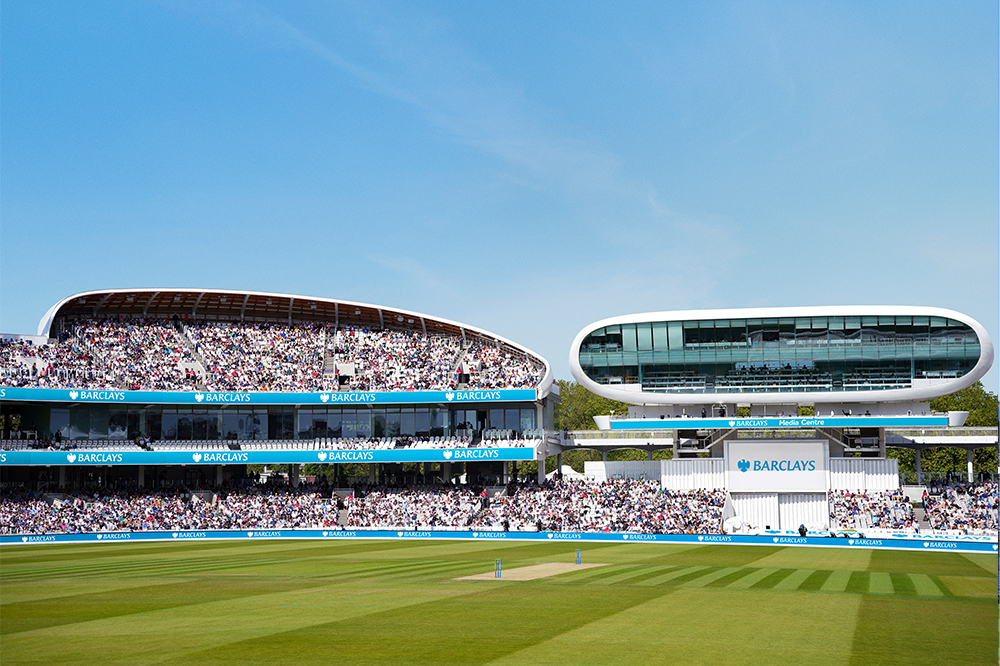
Make the most of your visit to the Home of Cricket. Whether you’re joining us for a match, a tour, or an event, you’ll find essential information on travel, facilities, and experiences right here.
Scan the QR codes around the Ground and follow our Heritage Trail to learn more about Lord's. Plan your visit below.COMING TO LORD'S
-
Tickets
- 2027 Ticket Ballot
- 2027 Internationals
- Lord's Dining Club
- Matchday Hospitality
- Men's Internationals
- Women's Internationals
- Help and Information
Tickets at Lord's
We’ve got a wide variety of formats covered with an exciting line up of matches to get your cricket fix.
Whether you like red or white ball, domestic or international, or men’s or women’s cricket, Lord’s will have the perfect cricket experience for you, your family and friends.
There's Nothing Like This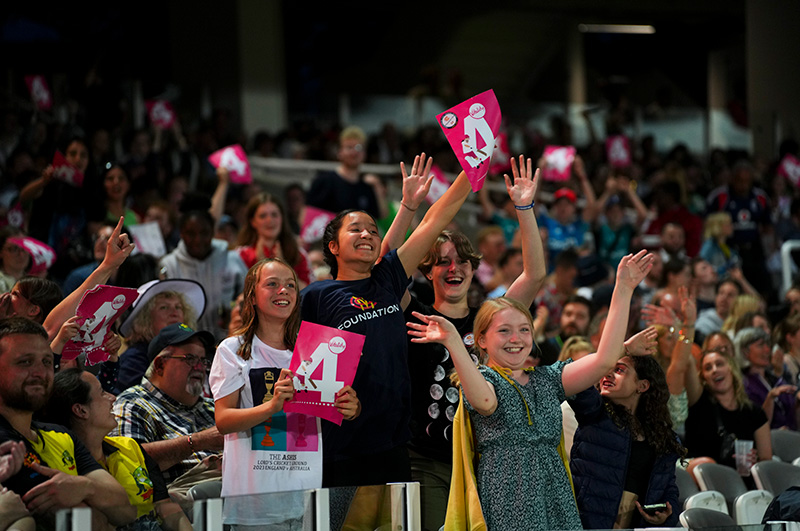
-
Hospitality & Events
- Matchday Hospitality
- Lord's Dining Club
- Debentures
- Seasonal Suites
- Old Clock Tower Club
- Experiences
- Conferences & events
- All Hospitality & Experiences
Hospitality & Premium Experiences
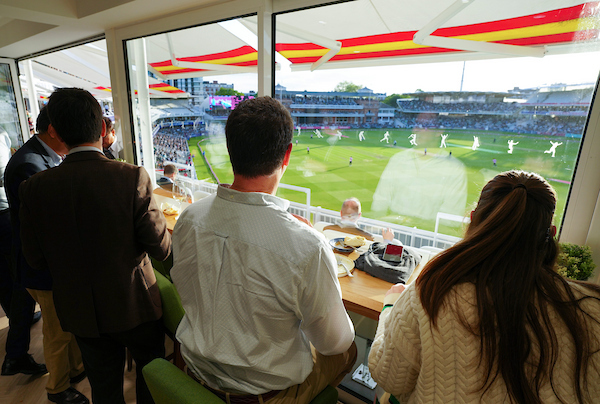
Take your Lord’s experience to new levels with our collection of premium hospitality experiences. From world-class matchday dining to exclusive behind-the-scenes access and private events, experience the heritage and atmosphere of the Home of Cricket in the ultimate style.
-
Play & Train
- Vitality Performance Centre
- Cricket Coaching
- Private Hire
- Cricket Equipment Shop
- HOAM Coffee Shop
- Fitness and Health
Vitality Performance Centre at Lord's
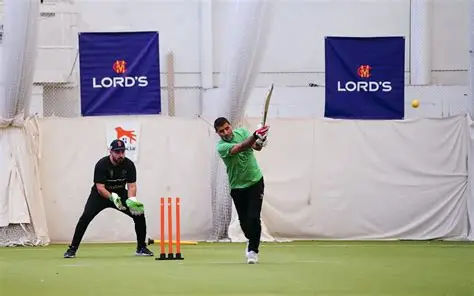
Train, play and refuel at the Vitality Performance Centre - home to indoor cricket coaching, personal training, group classes, HOAM café and our specialist cricket shop.
-
MCC
- The Club
- Cricket
- MCC Foundation
- Barclays Knight-Stokes Cup
- In the Community
- The Laws of Cricket
- Heritage & Collections
MCC
Marylebone Cricket Club is the world’s most active cricket club, the owner of Lord’s Ground and the guardian of the Laws of the game. Find out more about the history of MCC, our work in the Community and the famous Lord's Museum.
FIND OUT MORE

-
Shop
- Lord's Store
- Cricket Equipment Shop
- London Spirit Store
Shop
Discover a wide range of clothing, headwear, gifts and souvenirs, alongside premium cricket equipment at the Lord’s Performance Centre, designed to help you remember your visit to the Home of Cricket. - More...