MCC clarifies Law relating to breaking the wicket for a run out
Read story
Make the most of your visit to the Home of Cricket. Whether you’re joining us for a match, a tour, or an event, you’ll find essential information on travel, facilities, and experiences right here.
Scan the QR codes around the Ground and follow our Heritage Trail to learn more about Lord's. Plan your visit below.
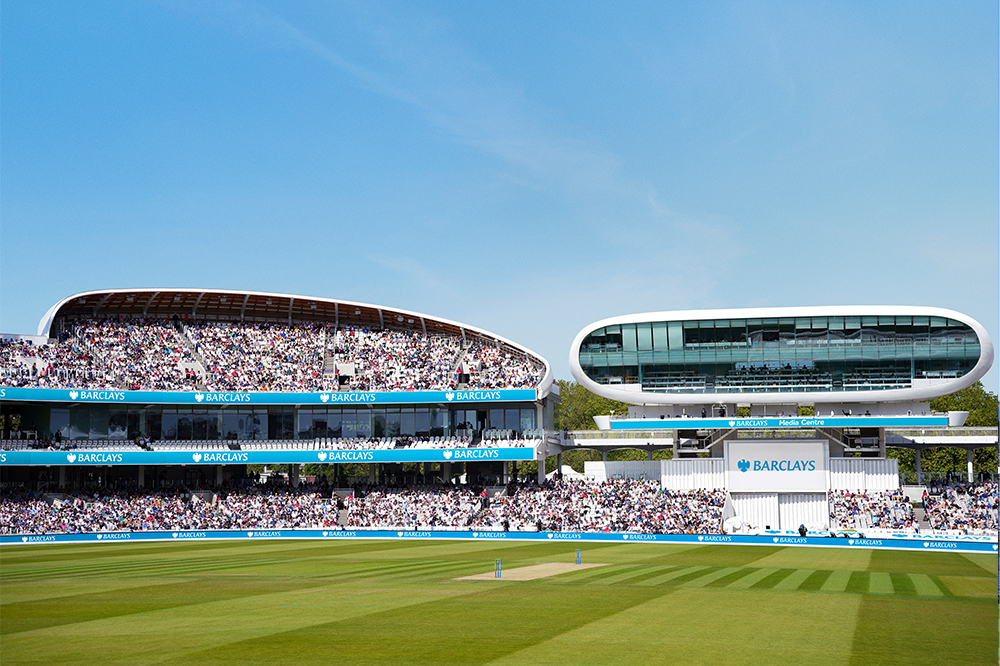
We’ve got a wide variety of formats covered with an exciting line up of matches to get your cricket fix.
Whether you like red or white ball, domestic or international, or men’s or women’s cricket, Lord’s will have the perfect cricket experience for you, your family and friends.
There's Nothing Like This
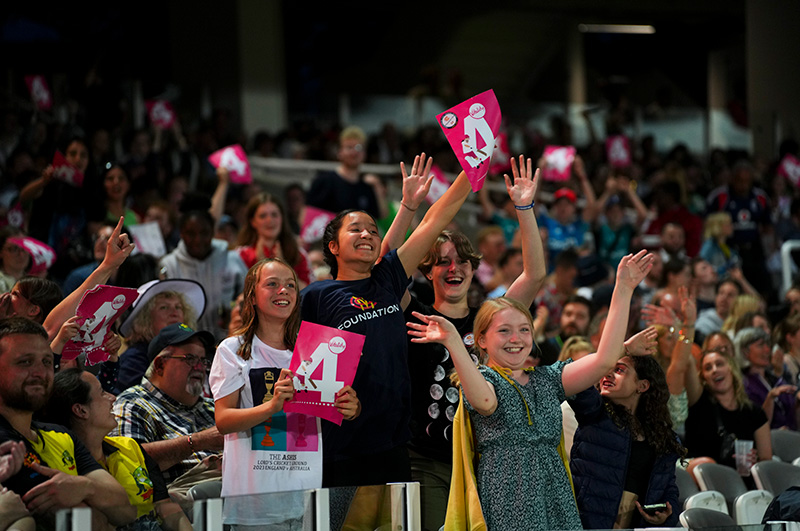
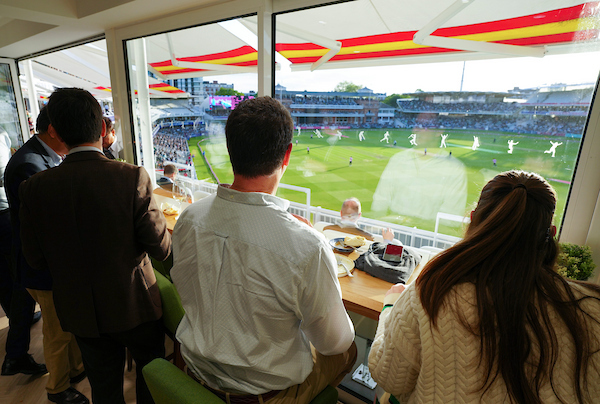
Take your Lord’s experience to new levels with our collection of premium hospitality experiences. From world-class matchday dining to exclusive behind-the-scenes access and private events, experience the heritage and atmosphere of the Home of Cricket in the ultimate style.
Train, play and refuel at the Vitality Performance Centre - home to indoor cricket coaching, personal training, group classes, HOAM café and our specialist cricket shop.
Marylebone Cricket Club is the world’s most active cricket club, the owner of Lord’s Ground and the guardian of the Laws of the game. Find out more about the history of MCC, our work in the Community and the famous Lord's Museum.
FIND OUT MORE
Posted: 4 August 2026
Today marks the 50th anniversary of one of the most significant occasions in Lord’s history. On 4 August 1976, England and Australia contested the first women’s international match to be played at the Home of Cricket, opening a new chapter in the story of the Ground. Half a century later, in the midst of a record-breaking summer for women's cricket at Lord's, it is a fitting moment to revisit that pioneering afternoon and the stories, characters and circumstances that helped shape a landmark day for Lord’s.
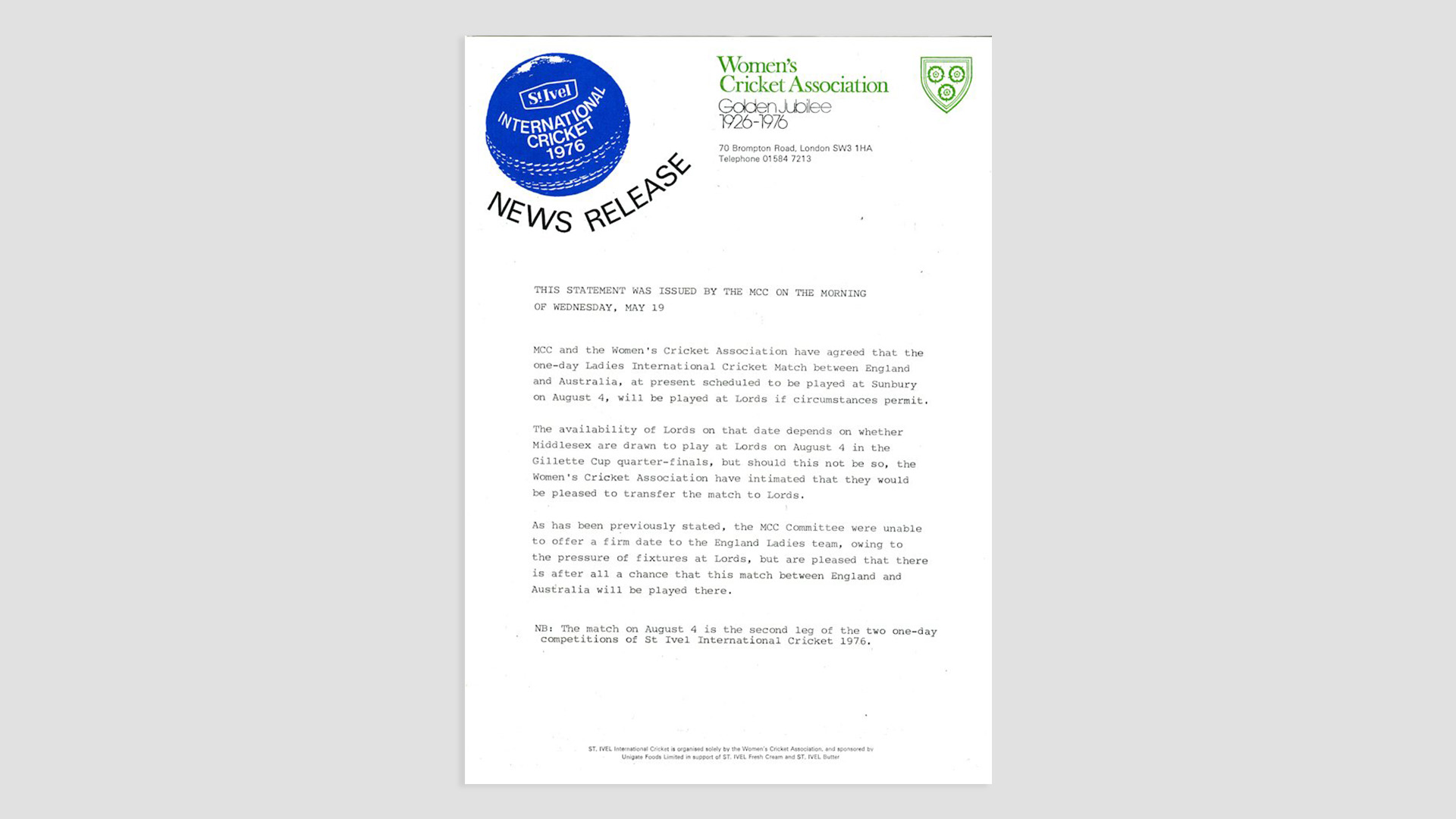
The fixture was not originally intended for St John's Wood at all. Plans had initially been made for the match to be played at Sunbury, before events elsewhere intervened. Middlesex's elimination from the Gillette Cup at the hands of Lancashire in a repeat fixture of the 1975 Final left Lord's available on the day in question, creating an opportunity for the Ground to host the second match of the series instead.
The announcement confirming the change of venue is pictured below.
At the head of the England side was Rachael Heyhoe Flint, already one of the most influential figures in the game. Three years earlier she had captained England to victory in the inaugural Women's World Cup and, by 1976, had become one of cricket's most effective advocates, both on and off the field.
Yet even upon arriving at the Pavilion, uncertainty remained. As Heyhoe Flint later recalled, nobody had formally explained whether her side was permitted to walk through the Long Room on their way to the field. Not wishing to create a disturbance, she instead led her players out via an alternative route around the Pavilion, to the surprise of those Members expecting them to emerge from the traditional direction.
There were other reminders that attitudes towards the women's game had changed considerably over the preceding decades.
Pictured below on the left is Heyhoe Flint with a replica of the famous "Blue Ball", presented during the 1976 series. The original had been commissioned in 1897 by the London retailer Gamages from ball-maker Alfred Reader.
Its purpose, according to contemporary accounts, was to ensure that lady cricketers would "not swoon at the sight of a red one". The idea now appears entirely absurd, yet it remains a fascinating relic from an earlier era and a reminder of some of the assumptions women's cricket had to overcome.
The match itself provided England with a memorable victory. Australia were dismissed for 161, with Enid Bakewell claiming two wickets and England contributing three run outs in the field. Sharon Tredrea top-scored with 54 for the tourists.
England's reply was equally assured, the significance of the occasion never appearing to unsettle the home side. Bakewell, one of the finest all-rounders the game has produced, struck 50 at the top of the order before Chris Watmough followed with an unbeaten 50 of her own. Heyhoe Flint remained at the crease on 17 not out as England secured victory by eight wickets before a crowd of approximately 8,000 spectators.
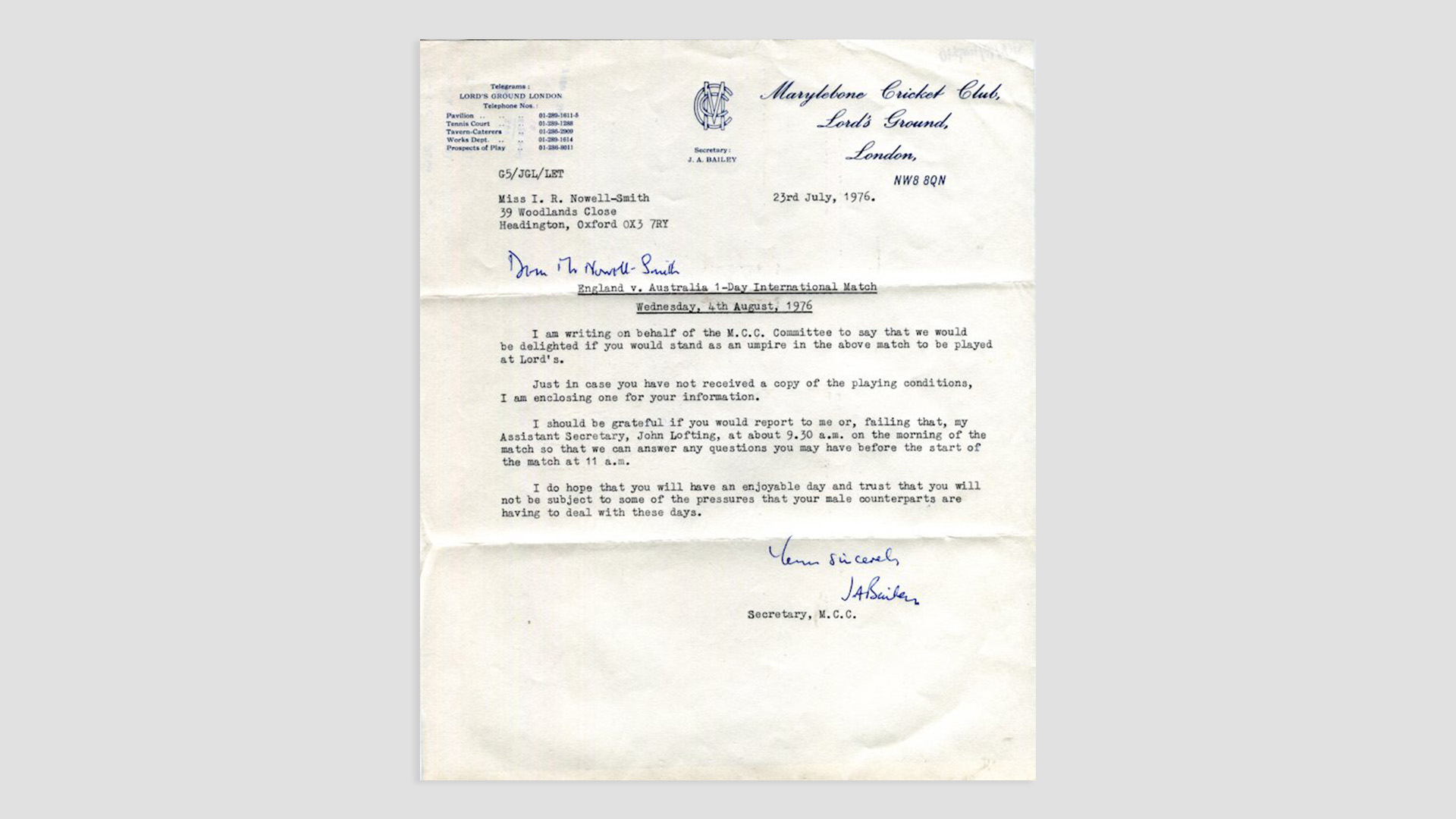
Among the archival items preserved from the occasion is an invitation from MCC Secretary Jack Bailey to Isabel Nowell-Smith, who was appointed as one of the match umpires. Also pictured below, it provides another tangible link to a day that marked a new chapter in the history of the Ground. Please click the image on the right to zoom in to read.
The players taking the field across our 23 days of women's cricket at Lord's this year are separated from those of 1976 by half a century, yet they share the same Ground and, in many cases, walk the same route through the Pavilion. During the first women's Test match at Lord's in June, many of those who played in that pioneering match returned to Lord’s as guests of the Club, among them Enid Bakewell, whose half-century helped secure England’s victory.
The scorebook from England’s victory over Australia remains in the collection as a record of a successful afternoon’s cricket. More importantly, it records the day women’s international cricket arrived at Lord’s, adding a new chapter to the history of the Ground.